


Restorative Dentistry Near You
A damaged tooth can change the way you eat, speak, or brush comfortably. Decay, cracks, wear, infection, and missing teeth can all affect how your mouth functions. At Blossom Family Dental, we provide restorative dentistry in Spruce Grove to repair what can be saved, replace what is missing when appropriate, and support comfortable function.
If you are looking for restorative dentistry near you, our team starts by finding out what is happening rather than jumping straight to a procedure. We look at the affected tooth, your gums, bite, existing dental work, and overall oral health, then explain the treatment choices that make sense for your situation.
What Is Restorative Dentistry?
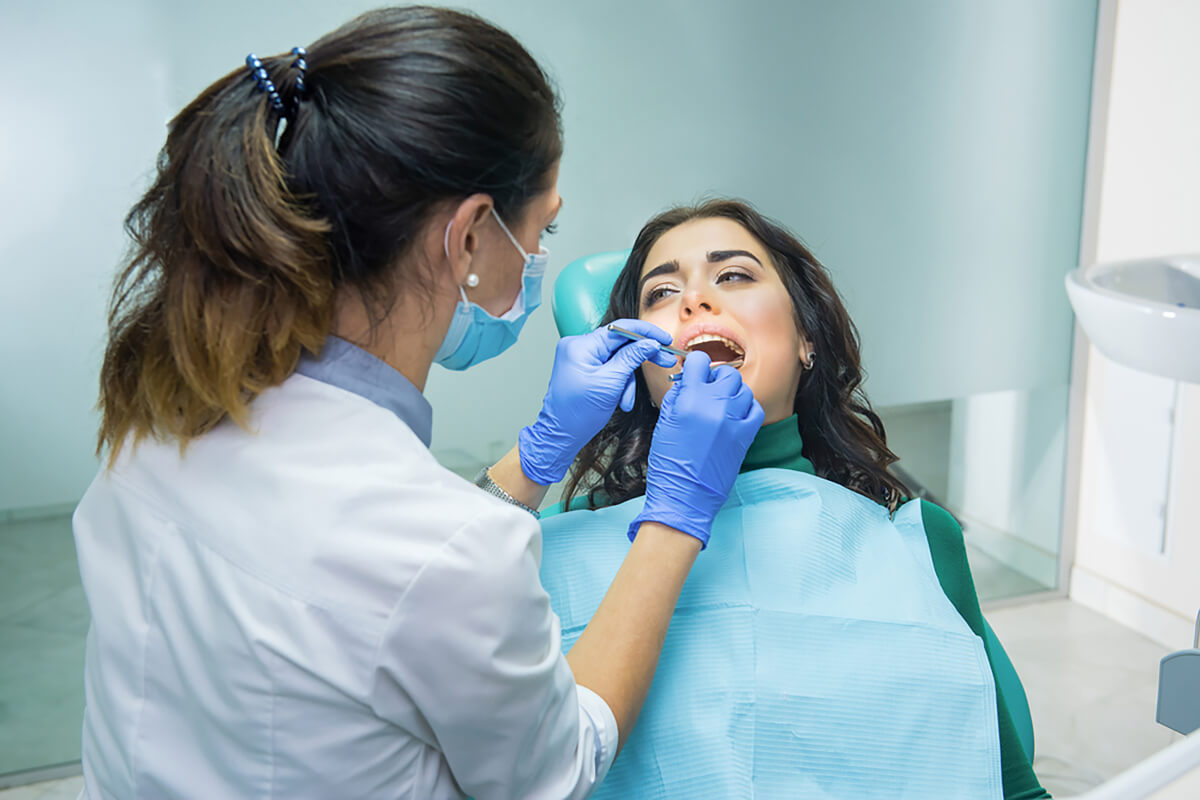
Restorative dentistry focuses on repairing or replacing teeth affected by decay, fractures, wear, infection, or tooth loss. Treatment may be as simple as a filling or may involve a crown, root canal treatment, extraction, or a tooth-replacement option.
Whenever possible, preserving healthy natural tooth structure is an important part of treatment planning. A small cavity and a heavily fractured tooth are very different problems, so treatment should match the condition of the tooth.
Our dentist in Spruce Grove can assess the area, review any necessary X-rays, and explain whether the tooth can be restored predictably or whether another approach should be considered.
Which Restorative Treatment Might You Need?
The right treatment depends on what has happened to the tooth and how much healthy structure remains.
| Treatment | When It May Be Considered | Main Purpose |
|---|---|---|
| Composite Filling | A tooth has a cavity or a smaller area of damage | Replaces lost tooth structure and restores the tooth’s shape |
| Dental Crown | A tooth has lost significant structure or needs added protection | Covers and protects the remaining natural tooth |
| Root Canal Treatment | The pulp inside a tooth is inflamed, infected, injured, or no longer healthy | Removes affected pulp and allows the tooth to be restored |
| Tooth Extraction | A tooth cannot be predictably restored or removal is needed for another clinical reason | Removes a tooth that cannot reasonably be maintained |
| Denture | Several or all teeth are missing and a removable replacement is appropriate | Replaces missing teeth and supports chewing and appearance |
| Dental Implant | A missing tooth or teeth are being replaced and the patient is a suitable candidate | Replaces a missing tooth root and supports a replacement tooth |
Not every option is suitable for every patient. Gum and bone health, tooth location, bite forces, and long-term maintenance all matter when a treatment plan is made.
When Should You Consider Restorative Dental Care?
Some restorative problems are obvious, while others develop gradually. Consider booking an examination if you notice:
These signs do not automatically point to one treatment. An examination helps determine the cause first.
What Are the Goals of Restorative Dentistry?
Restorative care is not only about filling a hole or covering a tooth. Depending on the problem, treatment may help:
- Restore tooth structure: Replace areas lost to decay, fracture, or wear.
- Improve chewing comfort: Repairing damaged teeth can make biting and chewing easier.
- Protect a weakened tooth: A suitable restoration may reduce the risk of further fracture.
- Treat the source of certain symptoms: Managing decay, infection, or structural damage may improve pain or sensitivity.
- Replace missing teeth: When appropriate, a replacement can restore function and reduce the effect of a gap.
- Support long-term planning: Care can be staged when several teeth need attention.

How Is Restorative Treatment Planned?
When we provide restorative dentistry in Spruce Grove, we begin with diagnosis and then build the treatment around what the tooth actually needs.
We Start With an Examination
We ask about your symptoms, dental history, previous treatment, medications, and recent changes. We examine the affected tooth, surrounding tissues, your bite, and existing restorations.
We may recommend dental X-rays if they help us assess decay between teeth, the roots, bone levels, signs of infection, or other concerns that are not fully visible during a clinical examination.
We Look at Why the Problem Developed
Decay, grinding, clenching, trauma, dry mouth, bite forces, or difficulty cleaning an area may all contribute to dental damage. Understanding the cause can help with both treatment and prevention.
We Compare Reasonable Options
If more than one treatment could work, we explain the differences. A smaller cavity may be restored with a filling, while a tooth with extensive structural loss may need a crown. A tooth with unhealthy pulp may need root canal treatment before the final restoration is completed.
We Plan Follow-Up Care
After treatment, we explain how to look after the restoration and what follow-up is recommended. Restored teeth still need daily brushing, cleaning between the teeth, and regular dental care.
Restorative Dentistry and Preventive Care
Preventive care helps reduce risk and monitor oral health, while restorative care addresses teeth already affected by decay, damage, infection, or loss. Even after a filling, crown, or other restoration is placed, daily home care and regular dental visits remain important.
How Much Does Restorative Dental Treatment Cost?
Costs vary because restorative procedures range from small fillings to more complex treatment. Treatment difficulty, materials, X-rays, laboratory work, and individual needs can affect the final fee.
Blossom Family Dental has provided these starting fees:
- Composite fillings: Starting at $173.95
- Root canal treatment: Starting at $795.45
- Tooth extraction: Starting at $174.55
- Dental crowns: Starting at $1,072.55 plus laboratory fees
Crowns are custom-fabricated, so laboratory fees are additional and may vary according to the restoration and materials selected. The clinic uses the Alberta Dental Fee Guide as the foundation for professional fees whenever applicable.
Before treatment begins, we review the recommended plan and associated fees so you can understand what is being proposed and make an informed decision.
How Can You Help a Restoration Last?
No dental restoration lasts forever, but everyday habits can make a difference.
Pain, swelling, increasing sensitivity, or a change in the way a restored tooth feels should be assessed.
Why Choose Blossom Family Dental for Restorative Care?
At Blossom Family Dental, we provide restorative dentistry near you with an emphasis on conservative planning, comfort, and clear explanations.
Our focus is on choosing treatment that supports comfortable function and long-term oral health.
Take Care of a Damaged Tooth Before It Becomes a Bigger Problem
A small cavity, cracked filling, or weakened tooth can become more complicated if the problem continues to progress. An examination can show how much tooth structure is affected and whether a filling, crown, root canal, or another option is appropriate.
If you are looking for restorative dentistry near Stony Plain, Blossom Family Dental is conveniently located in Spruce Grove. Call 780-960-4242 or visit us at 221C First Ave, Spruce Grove, AB T7X 3X2 to arrange an appointment.
FAQs
No. Many teeth can be repaired, but the amount of healthy structure, the condition of the roots and supporting tissues, the location of a crack, and other factors affect whether restoration is predictable. If a tooth cannot reasonably be saved, we may discuss extraction.
A filling may be suitable when the damaged area is relatively limited and enough healthy tooth structure remains. A crown may be considered when a tooth has lost more structure or needs additional protection. The decision is made after examining the tooth.
It depends on the cause. If sensitivity is related to decay, a damaged filling, or another problem that can be restored, treatment may improve it. Sensitivity can have other causes, so the tooth should be assessed first.
That depends on the procedure. You may need to wait until numbness wears off or avoid chewing on a temporary restoration. We provide instructions based on the treatment you receive.
There is no guaranteed lifespan. Longevity depends on the type of restoration, tooth location, bite forces, grinding habits, oral hygiene, diet, and the condition of the remaining tooth structure.
Contact the clinic if the restoration feels too high, changes your bite, becomes loose, causes persistent discomfort, or does not feel right after the initial adjustment period. We can assess and adjust the area if needed.
The fee depends on the treatment. At Blossom Family Dental, composite fillings start at $173.95, root canal treatment starts at $795.45, tooth extraction starts at $174.55, and crowns start at $1,072.55 plus laboratory fees. We review your individual treatment plan and expected costs before care begins.