



Wisdom Tooth Extractions Near You
Wisdom teeth, also called third molars, are the last permanent teeth to develop at the back of the mouth. Some come in normally and never cause trouble. Others remain partly or completely trapped under the gums or jawbone, grow at an angle, or create an area that is difficult to keep clean. At Blossom Family Dental, we provide wisdom tooth extractions in Spruce Grove when removal is recommended after a careful assessment of the tooth, surrounding tissues, and your overall oral health.
If you are considering wisdom tooth extractions near you, our team can examine the area, review any necessary X-rays, and explain whether monitoring or removal is appropriate. We take time to answer your questions and help you understand what to expect before, during, and after treatment.
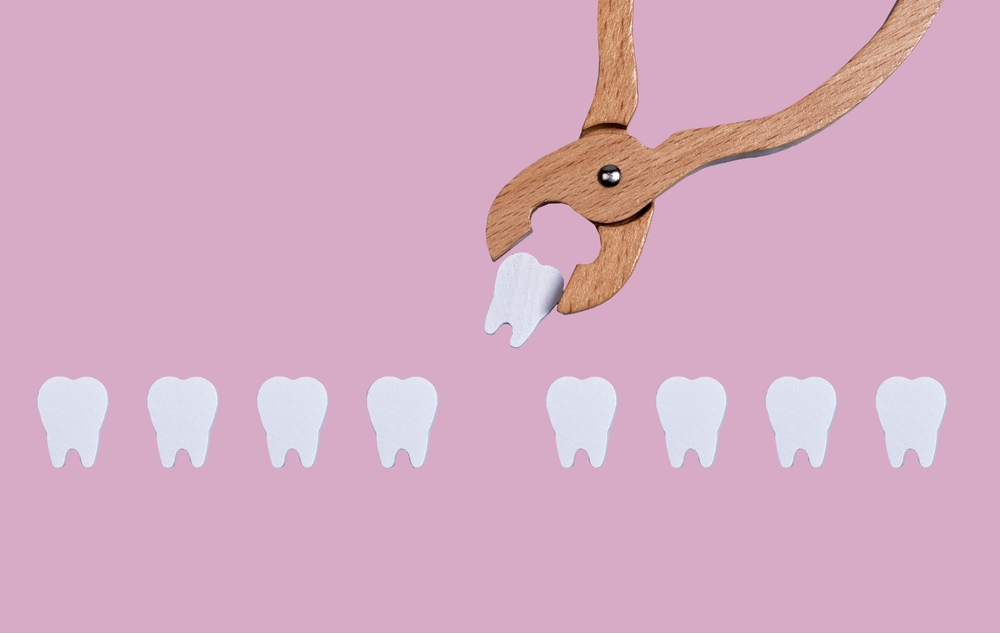
What Are Wisdom Teeth?
Wisdom teeth are the third molars located at the very back of the upper and lower jaws. They commonly begin to emerge in the late teenage years or early adulthood, although the timing varies and some people never develop all four.
A wisdom tooth is considered impacted when it does not fully erupt into a normal position. It may be covered by gum tissue, trapped partly or completely in bone, or angled toward another tooth. Impacted teeth do not always need treatment, but they should be assessed if they are causing symptoms or creating a risk to nearby structures.
Our dentist in Spruce Grove can evaluate the position and condition of your wisdom teeth and discuss whether they can be monitored or whether removal may be beneficial.
When Might Wisdom Tooth Removal Be Recommended?
Wisdom teeth do not need to be removed just because they are present. The decision depends on symptoms, position, cleanability, the health of nearby teeth, and other clinical findings.
| Situation | Monitoring May Be Appropriate | Removal May Be Considered |
|---|---|---|
| Fully erupted tooth | The tooth is healthy, functional, and easy to clean | Decay, repeated gum problems, or damage develops |
| Partially erupted tooth | The area remains healthy and can be kept clean | Food trapping, repeated inflammation, infection, or decay occurs |
| Impacted tooth | It is symptom-free and not harming nearby structures | It contributes to pain, infection, changes around the tooth, or damage to an adjacent tooth |
| Crowding or orthodontic concerns | No current problem is linked to the wisdom tooth | Extraction is specifically recommended as part of an orthodontic or surgical plan |
| Nearby second molar | The neighbouring tooth remains healthy | The wisdom tooth contributes to decay, gum damage, or other problems involving the adjacent molar |
Signs That Should Be Assessed
Book an examination if you notice pain at the back of your mouth, swollen or tender gums, repeated inflammation around a partly erupted tooth, difficulty opening your mouth, an unpleasant taste, or persistent food trapping. These symptoms do not automatically mean the tooth must be removed, but they can indicate that the area needs professional assessment.
Why Can Wisdom Teeth Cause Problems?
When there is not enough room for a wisdom tooth to erupt normally, part of it may remain covered by gum tissue or trapped in bone. Plaque and food can collect around a partly erupted tooth, contributing to inflammation or infection.
Its position can also make cleaning difficult, increase the risk of decay, or affect the molar in front of it. An examination and appropriate imaging can help determine whether the tooth is healthy, should be monitored, or may need removal.
What Are the Benefits of Removing a Problematic Wisdom Tooth?
When extraction is appropriate, removing a troublesome wisdom tooth may:
- Manage repeated inflammation or infection: Removal can eliminate the tooth associated with recurring problems.
- Address difficult-to-treat decay: Extraction may be considered when predictable restoration is not practical.
- Protect a neighbouring molar: Removal may help if the wisdom tooth is contributing to damage around the tooth in front of it.
- Improve access for cleaning: Removing a poorly positioned tooth can make the back of the mouth easier to maintain.
- Relieve tooth-related discomfort: Treating the confirmed source of pain may improve comfort.
The benefits and risks should be considered together before treatment is recommended.
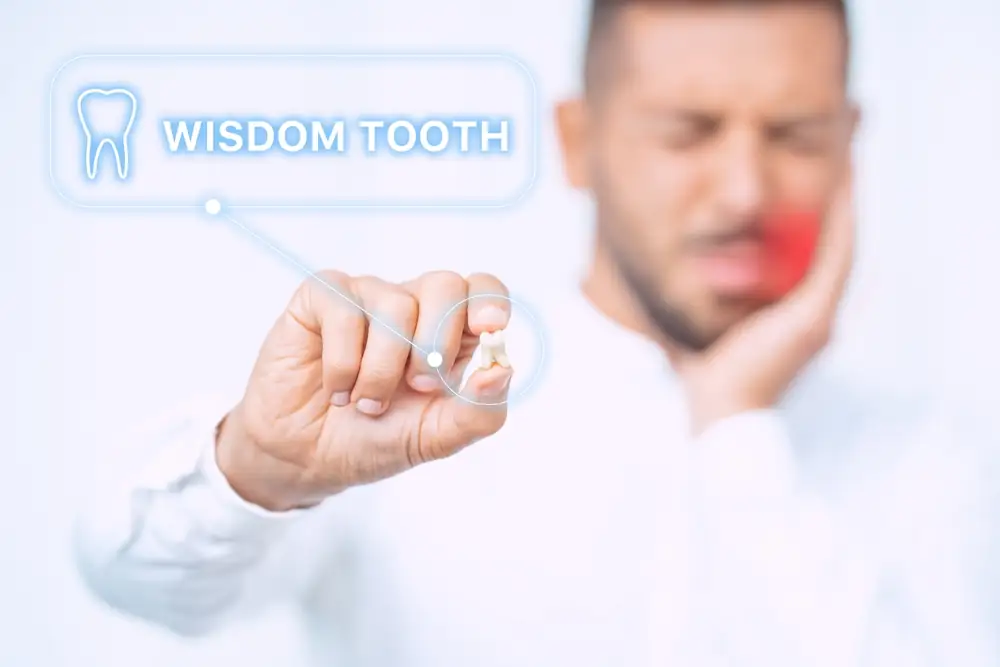
How Does Wisdom Tooth Extraction Work?
When we provide wisdom tooth extractions in Spruce Grove, we plan the procedure based on the tooth’s position, root shape, surrounding bone, nearby structures, and your medical history.
Before the Procedure
Examination and Treatment Planning
We review your symptoms, health history, medications, and allergies. We may recommend X-rays to assess the tooth, roots, and nearby structures. We then explain whether monitoring or removal is appropriate and discuss the planned procedure and aftercare.
During the Procedure
Anaesthetic and Tooth Removal
Local anaesthetic is used to numb the area. A fully erupted tooth may be removed relatively simply, while an impacted tooth may require an opening in the gum, removal of a small amount of bone, or sectioning of the tooth.
Closing the Site
After removal, the area is checked and cleaned. Stitches may be placed when needed, and gauze may be used to help control bleeding and support clot formation.
How Should You Care for the Area After Removal?
A blood clot forms in the socket after extraction and helps protect the healing tissues. Avoiding actions that disturb this clot is an important part of early recovery.
| Aftercare Step | What to Do |
|---|---|
| Bleeding | Bite on gauze as directed and contact the clinic if bleeding remains heavy or does not settle |
| Eating | Choose soft foods at first and avoid chewing directly over the extraction site |
| Rinsing | Avoid forceful rinsing during the first day; after 24 hours, gentle salt-water rinses may be recommended |
| Oral hygiene | Continue brushing carefully while avoiding direct trauma to the healing socket |
| Smoking and vaping | Avoid them during healing because they can interfere with clot stability and tissue repair |
| Straws | Avoid using a straw during the early healing period because suction may disturb the clot |
| Activity | Rest after the procedure and avoid strenuous activity for the period recommended |
| Pain or swelling | Use recommended medication and contact us if symptoms become severe, increase, or do not improve as expected |
When Should You Contact the Dental Office?
Some soreness and swelling can occur after wisdom tooth removal and should gradually improve. Contact us if you have heavy or persistent bleeding, worsening swelling, severe or increasing pain, fever, pus, difficulty swallowing, or another symptom that concerns you. Difficulty breathing is a medical emergency and requires immediate emergency care.
How Long Does Recovery Take?
Recovery depends on the number of teeth removed, whether they were impacted, procedure complexity, and individual healing. Swelling and soreness are often most noticeable during the first few days and should then begin to improve. Follow the activity and aftercare instructions provided for your procedure.
Why Choose Blossom Family Dental for Wisdom Tooth Care?
At Blossom Family Dental, we provide wisdom tooth extractions near you with an emphasis on careful assessment, comfort, and clear communication.
Our goal is to help you make an informed decision about whether monitoring or removal is appropriate.
What Does Wisdom Tooth Removal Cost?
The cost varies with factors such as whether the tooth is fully erupted or impacted, its position, procedure complexity, imaging needs, and the number of teeth being removed.
A general tooth extraction at the clinic starts at $174.55, but that amount should not be assumed to be the fee for every wisdom tooth removal. We can review the expected cost after assessing your specific treatment needs.
Book an Assessment for Your Wisdom Teeth
Wisdom tooth pain, repeated swelling, or difficulty keeping the area clean should be assessed rather than ignored. An examination can show whether the tooth can be monitored or whether removal is more appropriate.
If you are looking for wisdom tooth extractions near Stony Plain, Blossom Family Dental is conveniently located in Spruce Grove. Call 780-960-4242 or visit us at 221C First Ave, Spruce Grove, AB T7X 3X2 to arrange an examination.
FAQs
No. A healthy wisdom tooth that has erupted normally, can be cleaned effectively, and is not damaging nearby structures may be monitored rather than removed. The recommendation depends on your individual findings.
Local anaesthetic can be used while you remain awake and the treatment area is numb. Other comfort or sedation options may be considered depending on the procedure, your needs, and what is appropriate for you. We explain the planned approach before treatment.
That depends on the planned anaesthesia or sedation. Do not assume that eating instructions are the same for every appointment. Follow the specific directions provided by our dental team.
The time varies according to the number and position of the teeth and whether a simple or surgical approach is required. We can give you a better idea after examining the area and reviewing any necessary X-rays.
You can continue cleaning the rest of your mouth, but you should be gentle around the extraction site. Follow the specific brushing and rinsing instructions provided after your procedure.
Dry socket can occur when the blood clot in the extraction socket is lost or breaks down before healing has progressed enough. It can cause significant pain and requires dental assessment. Following aftercare instructions, including avoiding smoking and suction from straws, can help reduce the risk.
Contact the dental office if pain or swelling becomes worse rather than better, bleeding remains heavy, or you develop fever, pus, difficulty swallowing, or other concerning symptoms. Seek emergency medical care for difficulty breathing or another serious medical emergency.