



TMD/TMJ Treatment Near You
Jaw pain, stiffness, or difficulty opening your mouth can make eating, speaking, and even yawning uncomfortable. These symptoms may involve the temporomandibular joints (TMJs), the chewing muscles, or both. At Blossom Family Dental, we provide TMD/TMJ treatment in Spruce Grove with a careful assessment of your symptoms, jaw movement, teeth, and oral health before discussing treatment.
If you are looking for TMD/TMJ treatment near you, our team can help determine whether your symptoms are consistent with a temporomandibular disorder or whether another dental or medical issue should be considered. Because TMD can have more than one contributing factor, treatment is usually based on the individual problem rather than a single standard solution.
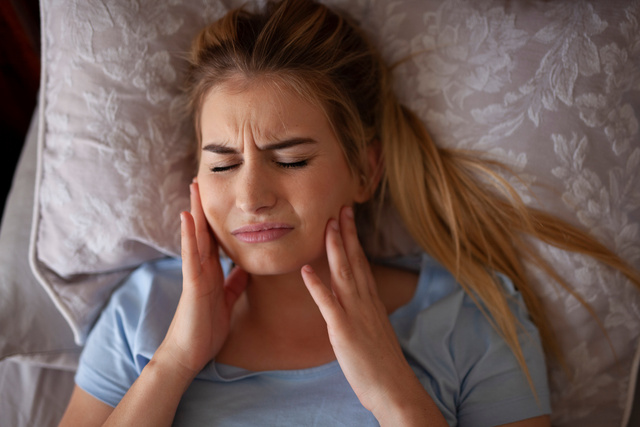
What Is TMD, and What Does TMJ Mean?
TMJ stands for temporomandibular joint. You have one on each side of your face, just in front of the ears. These joints work with muscles, ligaments, and other structures to allow the jaw to open, close, and move from side to side.
TMD stands for temporomandibular disorders. It is a broad term for conditions that can cause pain or problems involving the jaw joints, chewing muscles, or related structures.
TMD is not one single condition, and the cause is not always obvious. Symptoms can develop after an injury, alongside muscle tension or clenching, or without a clear trigger. Our dentist in Spruce Grove can examine the teeth and jaw and discuss appropriate next steps.
What Symptoms Can Occur With TMD?
TMD symptoms can vary from person to person. Some people mainly have muscle tenderness, while others notice joint pain or limited movement.
You may want an assessment if you experience:
What About Clicking Without Pain?
Clicking or popping in a jaw joint is common. If the sound occurs without pain, locking, or loss of function, it often does not require treatment. An assessment may still be worthwhile if the sound is new or you are concerned about other symptoms.
What Can Contribute to TMD Symptoms?
There is not always one identifiable cause. Several factors may contribute to jaw-joint or muscle symptoms, and more than one can be present at the same time.
| Possible Factor | How It May Relate to Symptoms |
|---|---|
| Jaw injury | Trauma can affect a joint, surrounding tissues, or jaw movement |
| Clenching or grinding | Repeated muscle activity can contribute to muscle fatigue or place additional force on the teeth |
| Arthritis or joint disease | Joint conditions can affect comfort and movement |
| Muscle tension and stress | Stress may increase clenching or muscle tension in some people |
| Repetitive jaw habits | Frequent gum chewing, nail biting, or holding the jaw tense may aggravate symptoms |
| Other pain conditions | Headache, neck pain, or other pain disorders can sometimes occur alongside TMD |
A person’s bite should not automatically be blamed for TMD. Current evidence does not support the idea that a “bad bite” or previous orthodontic treatment is a general cause of temporomandibular disorders.
How Is TMD Assessed?
When we provide TMD/TMJ treatment in Spruce Grove, the first step is understanding your symptoms and how they affect daily life.
We Review Your Symptoms and History
We ask when the discomfort started, what makes it better or worse, whether the jaw locks, and whether you grind or clench your teeth. We may also ask about previous injuries, dental treatment, headaches, medications, and relevant health conditions.
We Examine the Jaw and Oral Structures
We may check how widely and smoothly your jaw opens, whether movement causes pain, and whether the chewing muscles or jaw joints are tender. We also examine the teeth and existing dental work for signs of wear or damage.
We may recommend dental X-rays or other imaging when the history and examination suggest they would provide useful information. Imaging is not necessary for every person with jaw discomfort.
We Consider Whether Another Evaluation Is Needed
Ear problems, dental infections, headaches, nerve pain, arthritis, and other conditions can sometimes produce symptoms that overlap with TMD. If your symptoms suggest another cause or require care outside general dentistry, we may recommend assessment by an appropriate healthcare professional.
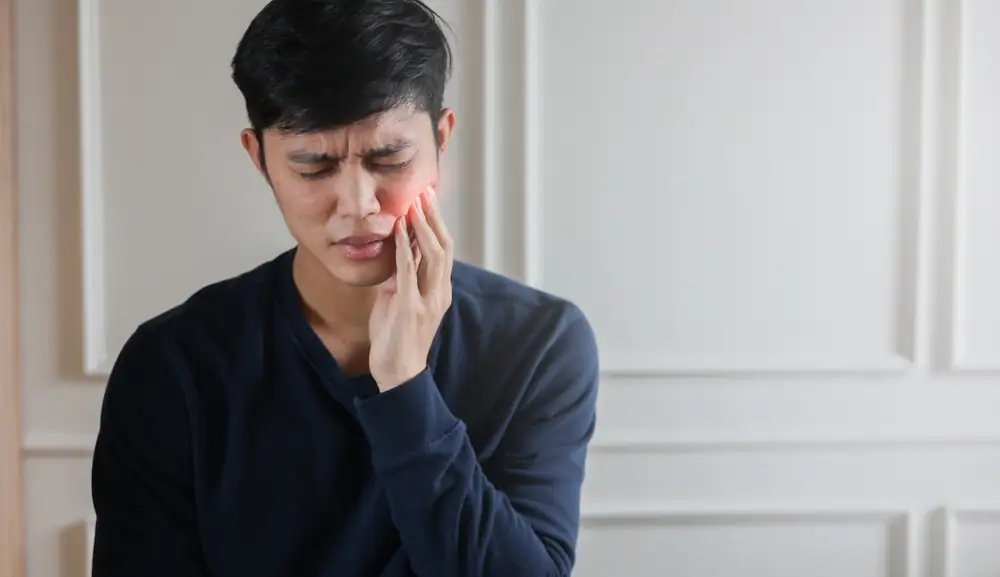
How Is TMD Usually Managed?
Many TMD symptoms improve with time and conservative care. Treatment should generally begin with approaches that do not permanently change the teeth, bite, or jaw joint.
Simple Self-Care Measures
Depending on your symptoms, recommendations may include:
- Choosing softer foods temporarily when chewing is painful
- Avoiding gum chewing and other repetitive jaw habits
- Reducing daytime clenching when you notice it
- Using heat or cold as directed
- Performing gentle jaw exercises when appropriate
- Using over-the-counter pain medication if it is safe for you and recommended by a healthcare professional
Dental Appliances When Appropriate
A stabilization appliance or night guard may be considered, particularly when grinding or clenching contributes to tooth wear or when an appliance is appropriate as part of conservative management.
An appliance may help protect the teeth and can be useful for selected patients, but it is not a guaranteed cure for TMD pain. It should not be designed to permanently change your bite as a routine treatment for TMD.
Referral for Additional Care
Some patients may benefit from physical therapy, medical assessment, or other professional care. Persistent or complex symptoms may require a multidisciplinary approach.
What Should You Avoid With TMD?
If your jaw is painful or irritated, certain habits may aggravate symptoms.
Try to avoid:
- Chewing gum for long periods
- Biting fingernails or pens
- Frequently eating very hard or chewy foods while symptoms are active
- Holding the teeth together when you are not eating
- Forcing the jaw open when movement is painful or restricted
Permanent bite-changing procedures, extensive dental reconstruction, or surgery should not be treated as routine first-line care for uncomplicated TMD symptoms. More invasive options require careful diagnosis and appropriate specialist assessment.
How Long Does TMD Last?
TMD symptoms do not follow the same course for everyone. Some episodes are short-lived and improve with simple measures, while others can recur or persist. Keep track of activities that aggravate symptoms and contact the clinic if pain is worsening, interfering with eating, or not improving as expected.
How Much Does TMD/TMJ Treatment Cost?
The clinic has not provided a specific starting fee for TMD assessment or treatment, so we would not publish a set treatment price without knowing what care is needed.
If a custom night guard is recommended, Blossom Family Dental has provided a starting fee of $543.90 plus laboratory fees. A night guard is not required for every person with TMD, and the fee should only be applied when that appliance is actually recommended.
The final cost depends on the assessment and care required. When applicable, the clinic uses the Alberta Dental Fee Guide as the foundation for professional fees. We review expected fees before proceeding.
Why Choose Blossom Family Dental for TMD/TMJ Care?
At Blossom Family Dental, we provide TMD/TMJ treatment near you with an emphasis on conservative care and understanding your symptoms before recommending treatment.
Get Your Jaw Symptoms Properly Assessed
Jaw discomfort does not always mean you have a serious joint problem, and clicking alone does not necessarily need treatment. Persistent pain, locking, or difficulty using your jaw, however, deserves a proper assessment.
If you are looking for TMD/TMJ treatment near Stony Plain, Blossom Family Dental is conveniently located in Spruce Grove. Call 780-960-4242 or visit us at 221C First Ave, Spruce Grove, AB T7X 3X2 to arrange an appointment and discuss your symptoms.
FAQs
No. Clicking or popping without pain or limitation is common and often does not require treatment. If the sound is painful, the jaw locks, movement becomes limited, or you have other symptoms, an assessment is reasonable.
Grinding and clenching can contribute to muscle fatigue, tooth wear, and jaw symptoms in some people, but TMD can have multiple contributing factors. An examination can help determine whether bruxism appears relevant to your symptoms.
Not necessarily. A night guard can protect teeth from grinding or clenching and may be useful in selected cases, but evidence that appliances consistently relieve TMD pain is limited. The role of a guard should be based on your individual findings.
TMD can cause pain or discomfort around the ear because the jaw joint is located nearby. Ear symptoms can also have other causes, so persistent ear pain, hearing changes, discharge, fever, or other concerning symptoms should be medically assessed.
Do not force it open or closed. Contact a dentist or healthcare professional promptly, especially if the jaw remains locked, the problem follows an injury, or you cannot eat, drink, or speak normally.
Stress may contribute to muscle tension or increase clenching in some people, which can aggravate jaw discomfort. Stress is not the only possible factor, so ongoing symptoms still deserve an appropriate assessment.
Most people do not start with surgery. Conservative, reversible treatment is generally preferred first. Surgery or other invasive joint procedures are reserved for selected situations and require appropriate diagnosis and specialist assessment.