



Dental Bridges Near You
Losing a tooth can affect chewing, speech, appearance, and the way your remaining teeth meet. A fixed dental bridge is one option for replacing one or more missing teeth. At Blossom Family Dental, we provide dental bridges in Spruce Grove with treatment planned around your teeth, gums, bite, and long-term oral health.
If you are looking for dental bridges near you, our team can examine the gap and explain whether a bridge is suitable. We also assess the teeth beside the space and the supporting tissues before recommending treatment.
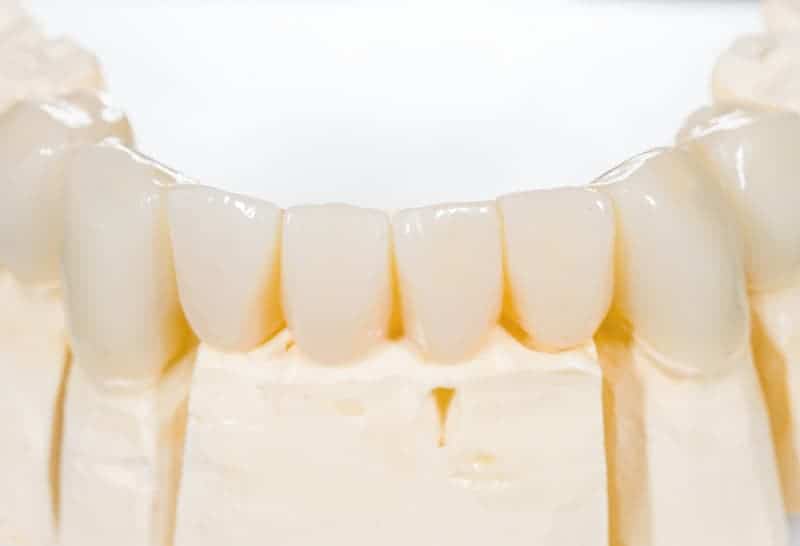
What Is a Dental Bridge?
A dental bridge is a fixed restoration used to replace one or more missing teeth. The replacement tooth, called a pontic, fills the open space and is supported by neighbouring teeth, dental implants, or another suitable design depending on the case.
Unlike a removable denture, a fixed bridge stays in the mouth and is not taken out for daily cleaning. Traditional bridges usually rely on crowns placed over teeth on either side of the gap. Other bridge designs may use different forms of support.
A bridge can restore appearance and function, but it is not right for every patient. Our dentist in Spruce Grove can assess the gap, supporting teeth, gums, bite, and available bone before discussing replacement options.
When Might a Dental Bridge Be Considered?
A bridge may be worth discussing when one or more teeth are missing and there are suitable teeth or other supports around the space.
You may want an assessment if you notice:
The location of the gap, neighbouring teeth, bite, gum health, and your treatment goals all influence the decision.
What Factors Affect Whether a Bridge Is Suitable?
The table below outlines some of the main factors we consider before recommending a fixed bridge.
| Factor | Why It Matters |
|---|---|
| Health of supporting teeth | Teeth used to support a traditional bridge need enough healthy structure and periodontal support |
| Gum health | Inflamed or unstable gums may need treatment before a bridge is planned |
| Bite and chewing forces | Heavy forces, grinding, or clenching can affect bridge design and longevity |
| Location and size of the gap | The number and position of missing teeth influence which replacement options are practical |
| Existing dental work | Large fillings, crowns, or previous treatment on neighbouring teeth may affect planning |
| Home-care ability | A bridge requires daily cleaning underneath and around the restoration |
| Long-term goals | Cost, treatment time, maintenance, and preference for fixed or removable care all matter |
What Are the Benefits of a Dental Bridge?
When a bridge is appropriate, it may help:
- Restore chewing function: Replacing the missing tooth can make it easier to use that area when eating.
- Fill a visible gap: A custom restoration can create a more complete-looking smile.
- Support your bite: Replacing a missing tooth may help maintain more stable tooth contacts and reduce unwanted movement in selected cases.
- Provide a fixed option: A conventional bridge stays in place rather than being removed each day.
- Support speech: Replacing certain missing teeth may improve speech changes related to the gap.
- Distribute chewing forces: A properly planned bridge can help share function across the supporting teeth or implants.
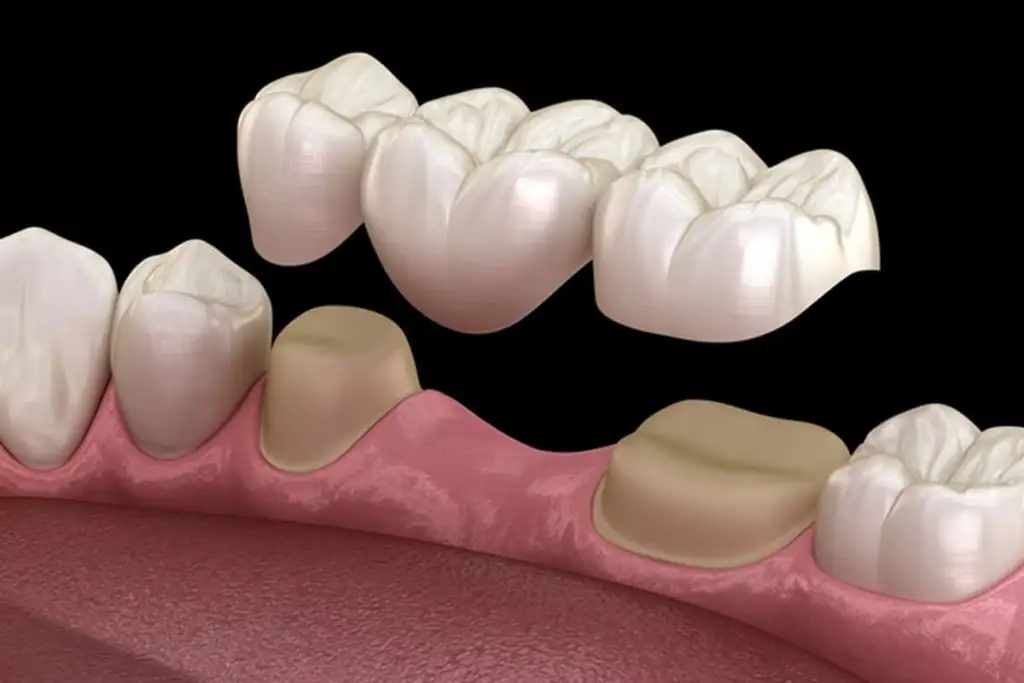
How Does Dental Bridge Treatment Work?
When we provide dental bridges in Spruce Grove, the steps depend on the type of bridge and what will support it.
How Do You Clean Under a Dental Bridge?
Plaque and food can collect underneath a bridge, so daily cleaning around the restoration and supporting teeth is important.
Let us know if the bridge feels loose, your bite changes, food begins trapping in a new way, or you develop pain, swelling, sensitivity, or bleeding around a supporting tooth.
How Long Can a Dental Bridge Last?
There is no guaranteed lifespan for a bridge. Longevity depends on its design and materials, the health of the supporting teeth or implants, bite forces, oral hygiene, and regular dental care. Natural teeth under supporting crowns can still develop decay, and gum problems can affect their support.
How Much Does a Dental Bridge Cost?
The clinic has not provided a specific starting fee for dental bridges, so we would not estimate a bridge price without first assessing your needs.
The final cost can vary with the number of missing teeth, bridge design, supporting teeth, materials, laboratory work, and whether other treatment is needed first. Laboratory fees may also apply.
Before treatment begins, Blossom Family Dental can review the recommended plan and associated fees with you. When applicable, the clinic uses the Alberta Dental Fee Guide as the foundation for its professional fees. Financing options are available for eligible dental treatment.
Why Choose Blossom Family Dental for Bridge Treatment?
At Blossom Family Dental, we provide dental bridges near you with an emphasis on thoughtful planning, comfort, and clear explanations.
Our goal is to help you choose a replacement option that fits your needs and long-term oral health.
Find Out Whether a Dental Bridge Is Right for You
A missing tooth does not always need the same solution. The right replacement depends on the gap, the health of the surrounding teeth and gums, your bite, and what you want from treatment.
If you are looking for dental bridges near Stony Plain, Blossom Family Dental is conveniently located in Spruce Grove. Call 780-960-4242 or visit us at 221C First Ave, Spruce Grove, AB T7X 3X2 to arrange an examination and discuss your options.
FAQs
A bridge can replace one or more missing teeth, but the number that can be replaced safely depends on the location of the gap, the strength and position of the supporting teeth or implants, and the bite. An examination is needed to determine whether a bridge is appropriate.
Traditional bridges generally require the neighbouring supporting teeth to be prepared for crowns. Other bridge designs may use different forms of support. The amount of preparation depends on the treatment selected.
The artificial replacement tooth itself cannot develop a cavity, but natural teeth supporting the bridge can still develop decay. Cleaning around the crown margins and underneath the bridge is important.
A properly fitted bridge is designed to support normal chewing. You may need a short adjustment period, and we may give you specific instructions after placement. Avoid habits that place excessive force on the restoration.
No. A fixed bridge is secured in the mouth and should only be removed by a dental professional when necessary. Do not treat it like a removable partial denture.
Contact the dental office. A loose bridge can be related to the cement, supporting teeth, decay, fracture, or another problem. Avoid trying to glue it back in place yourself.
The decision depends on the condition of the neighbouring teeth, available bone, gum health, bite, treatment time, maintenance, cost, and your preferences. We can compare suitable options after examining the missing-tooth area.