



Dental Bonding Near You
A small chip, uneven edge, or narrow space between teeth can be noticeable even when the tooth is otherwise healthy. Dental bonding offers a relatively conservative way to change the shape or appearance of selected teeth by adding tooth-coloured composite resin. At Blossom Family Dental, we provide dental bonding in Spruce Grove for suitable cosmetic and minor restorative concerns, with treatment planned around your tooth structure, bite, and smile goals.
If you are considering dental bonding near you, our team can examine the tooth and explain whether bonding is likely to give you the result you want. Sometimes another option, such as whitening, orthodontic treatment, a veneer, or a crown, may be more appropriate. We take time to explain the difference before treatment begins.
What Is Dental Bonding?
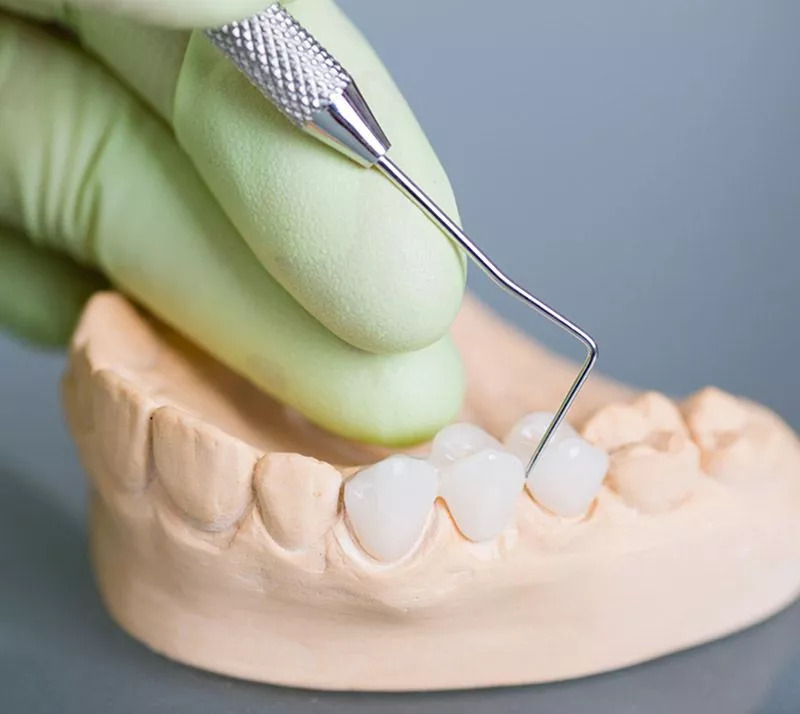
Dental bonding, also called bonded restoration, uses tooth-coloured composite resin to repair or reshape part of a tooth. The material is applied directly to the tooth, sculpted to the desired form, hardened with a curing light, and polished.
Bonding is often used for smaller changes because it can usually be completed without the laboratory work required for a porcelain veneer or crown. In many cases, little or no healthy enamel needs to be removed. However, the amount of preparation depends on why the tooth is being treated.
Our dentist in Spruce Grove can assess the tooth, nearby gums, and bite to determine whether composite bonding is suitable and whether an underlying dental problem needs attention first.
When Might Dental Bonding Be a Good Option?
Bonding can be useful when the concern is limited and there is enough healthy tooth structure to support the restoration.
You may want to ask about bonding for:
How Does Bonding Compare With Porcelain Veneers?
Bonding and veneers can address some of the same cosmetic concerns, but they are different treatments.
| Feature | Dental Bonding | Porcelain Veneers |
|---|---|---|
| Material | Tooth-coloured composite resin | Thin custom-made porcelain shells |
| Common uses | Small chips, minor shape changes, selected small spaces, some discolouration | Broader changes in colour, shape, size, or appearance of selected front teeth |
| Tooth preparation | Often little or no enamel removal, depending on the case | Usually requires some enamel preparation |
| Number of visits | Often completed in one visit | Usually requires more than one visit |
| Repair and maintenance | Can often be touched up or repaired with additional composite resin | Damage may require repair or replacement depending on the situation |
| Staining and wear | Composite can stain or wear over time | Porcelain is generally more stain-resistant and usually lasts longer |
What Are the Benefits and Limitations of Dental Bonding?
When it is appropriate, bonding can offer several advantages:
- Conservative treatment: Many bonding procedures require little alteration to healthy tooth structure.
- Natural-looking colour: Composite resin can be selected to blend with nearby teeth.
- Useful for small changes: Bonding works well when only part of a tooth needs repair or reshaping.
- Often completed efficiently: Many straightforward cases can be completed in a single appointment.
- Repairable material: If composite chips or wears, it can often be repaired rather than replacing the entire restoration.
Bonding also has limitations. Composite resin can stain, wear, or chip over time, and heavy biting forces or grinding may shorten its lifespan. It also cannot correct every spacing or alignment problem.
What Happens During a Dental Bonding Appointment?
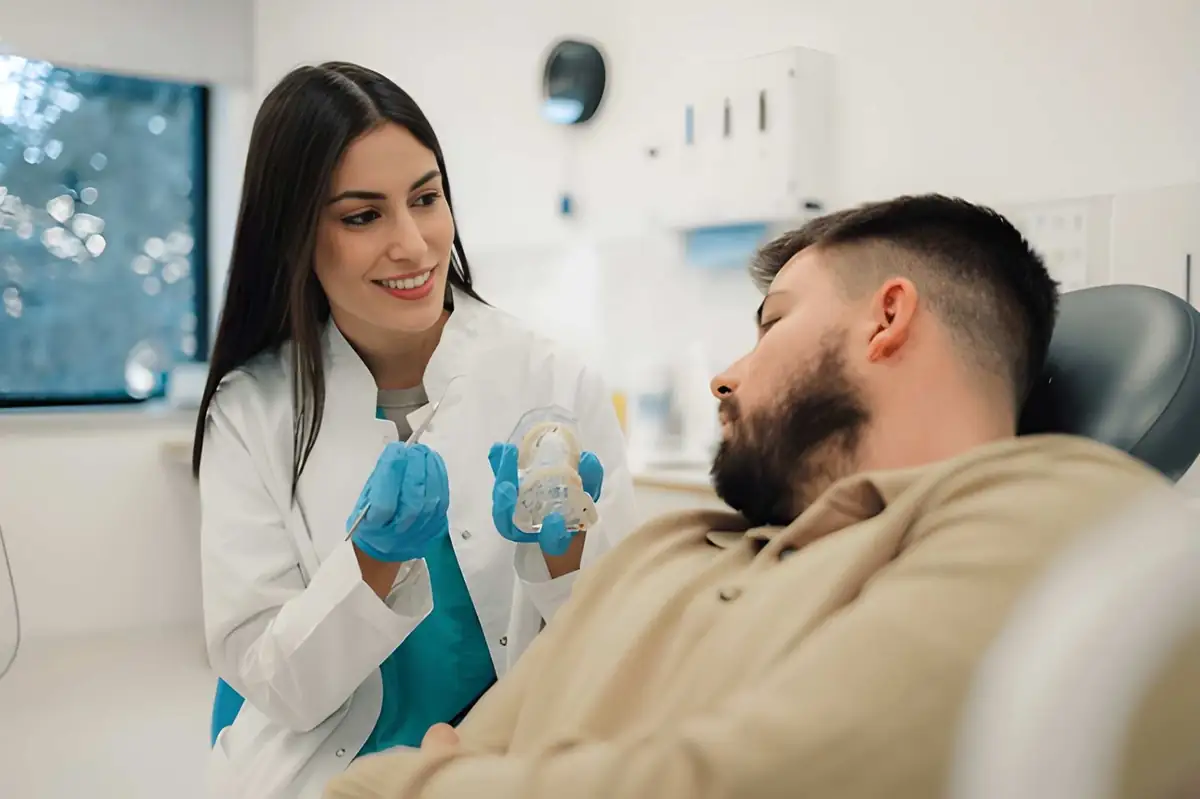
When we provide dental bonding in Spruce Grove, we tailor the procedure to the tooth and the reason for treatment.
What Should You Expect After Bonding?
Most bonding procedures require little recovery time. The tooth may feel slightly different at first because its contour has changed. If local anaesthetic was used, wait until numbness wears off before chewing.
Temporary sensitivity can occur in some cases. Contact us if you develop persistent pain, significant sensitivity, or a bite that feels uncomfortable.
How Do You Care for Bonded Teeth?
Bonded teeth need the same basic daily care as natural teeth, along with a little common sense about habits that can damage composite resin.
If bonding chips or feels rough, contact our office rather than trying to repair the material yourself. We can determine whether polishing, repair, or replacement is needed.
How Much Does Dental Bonding Cost?
The clinic has not provided a starting fee specifically for dental bonding, so the cost should be reviewed after an assessment rather than estimated here. The final fee can depend on how many teeth are treated, the amount of composite material needed, treatment complexity, and whether other care is required first.
Before treatment begins, Blossom Family Dental can review the recommended plan and associated fees with you. When applicable, the clinic uses the Alberta Dental Fee Guide as the foundation for professional fees, and financing options are available for eligible treatment.
Why Choose Blossom Family Dental for Dental Bonding?
At Blossom Family Dental, we provide dental bonding near you with an emphasis on conservative care, realistic expectations, and natural-looking results.
Talk to Us About a Small Change to Your Smile
A chipped edge or uneven tooth may seem minor, but the best treatment depends on the cause and how much tooth structure is involved. A consultation can show whether bonding or another option is more suitable.
If you are looking for dental bonding near Stony Plain, Blossom Family Dental is conveniently located in Spruce Grove. Call 780-960-4242 or visit us at 221C First Ave, Spruce Grove, AB T7X 3X2 to arrange an appointment.
FAQs
There is no guaranteed lifespan. Composite bonding can remain functional for years, but how long it lasts depends on the location of the bonding, bite forces, grinding or clenching, oral hygiene, diet, and everyday habits. The material may eventually need polishing, repair, or replacement.
Yes. Composite resin can pick up stains over time, especially with frequent exposure to coffee, tea, red wine, tobacco, and other staining substances. It is generally more prone to colour change than porcelain.
No. Teeth-whitening products lighten natural tooth structure but do not change the shade of existing composite resin. If you are considering both whitening and bonding, whitening may be planned first so the bonding shade can be matched afterward.
It can be appropriate in selected cases, such as repairing a small chip, but the decision depends on the tooth, age, bite, development, and reason for treatment. We examine the tooth before recommending bonding.
Bonding can sometimes change the appearance of a small space by adding composite resin to the neighbouring tooth surfaces. Larger spaces or spacing related to tooth position may be better treated with orthodontic care or another option.
Composite resin is widely used on back teeth, but cosmetic edge bonding and larger repairs experience different chewing forces. The suitability of bonding depends on the amount and location of the damage and the forces placed on the tooth.
Contact the dental office so the tooth and restoration can be assessed. Bonding can often be repaired with additional composite resin, but the right solution depends on why it broke and how much material or tooth structure was affected.