



Dental Crowns Near You
A tooth can lose strength after a large cavity, fracture, extensive filling, or other damage, but that does not always mean it has to be removed. A dental crown covers the remaining tooth and can help restore its shape, protect weakened structure, and make chewing more comfortable. At Blossom Family Dental, we provide dental crowns in Spruce Grove when a crown is an appropriate way to preserve and restore a tooth.
If you are looking for dental crowns near you, our team first examines the tooth and considers how much healthy structure remains, your bite, the condition of the gums, and any previous dental work. We then explain whether a crown, filling, or another treatment makes the most sense for your situation.
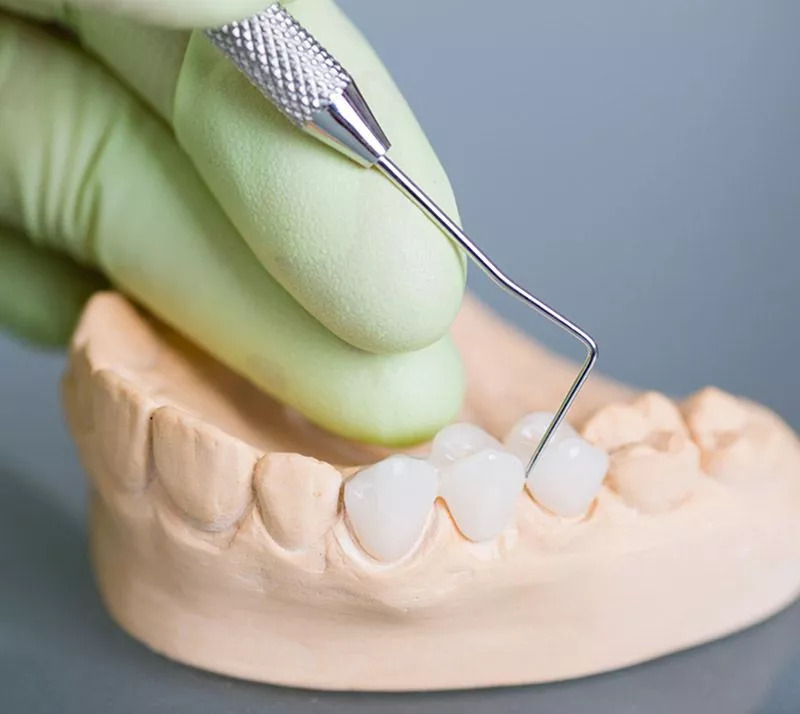
What Is a Dental Crown?
A dental crown, sometimes called a cap, is a custom-made restoration that covers the visible part of a natural tooth. It restores the tooth’s shape and function while protecting the structure underneath.
Crowns can be made from different dental materials. The choice may depend on where the tooth is located, how much chewing force it receives, appearance, and other clinical factors.
A crown does not make the natural tooth immune to future problems. The tooth underneath can still develop decay, and the surrounding gums still need daily care.
Our dentist in Spruce Grove can assess the tooth and explain whether a crown is appropriate or whether a less extensive restoration may be sufficient.
When Might a Dental Crown Be Recommended?
A crown is generally considered when a tooth needs more coverage or protection than a smaller restoration can provide.
| Dental Situation | A Crown May Be Considered When | Another Option May Be Possible When |
|---|---|---|
| Large cavity or filling | A significant amount of tooth structure has been lost or weakened | The affected area is smaller and enough strong tooth structure remains for a filling |
| Cracked or fractured tooth | The remaining tooth needs coverage and support | The damage is minor and can be repaired predictably with a smaller restoration |
| Tooth after root canal treatment | The tooth needs added protection because of its location, remaining structure, or fracture risk | The tooth has enough sound structure and another restoration is clinically appropriate |
| Significant tooth wear | The tooth has lost substantial shape or function and requires rebuilding | The wear is limited and can be managed more conservatively |
| Cosmetic and structural concern | The tooth needs restorative coverage as well as an improvement in shape or appearance | The concern is mainly cosmetic and can be treated with a more conservative option |
Not every tooth with a large filling, crack, or root canal automatically needs a crown. The decision should be based on the individual tooth and the expected long-term result.
What Can a Dental Crown Help With?
When it is the right restoration for the tooth, a crown may:
A crown cannot guarantee that a tooth will never crack, decay, or need further treatment. Good home care and ongoing dental visits remain important.
What Should You Expect After Getting a Crown?
Some patients notice mild gum tenderness or tooth sensitivity after crown preparation or placement. This often settles, but the experience varies depending on the tooth and treatment completed.
If you have a temporary crown, avoid very hard or sticky foods, and keep brushing and cleaning between your teeth as instructed.
Contact the clinic if you develop severe or increasing pain, swelling, a crown that feels loose, or a bite that continues to feel uneven.
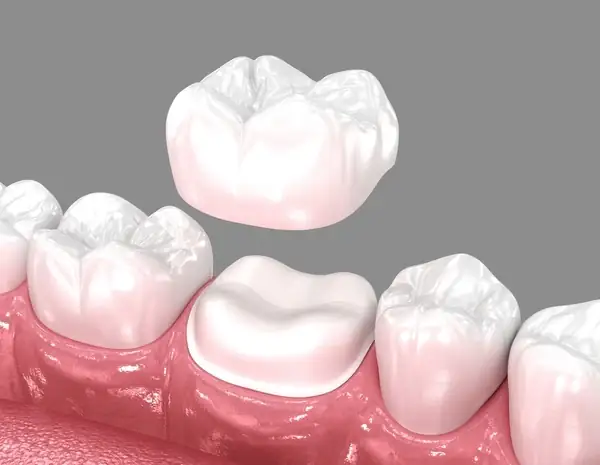
How Does Dental Crown Treatment Work?
When we provide dental crowns in Spruce Grove, the exact steps depend on the tooth and the type of restoration being planned.
How Long Do Cosmetic Dental Results Last?
Longevity varies by treatment. Whitening results can fade. Bonding can stain, chip, or wear. Veneers and crowns are durable restorations but may eventually need repair or replacement. Invisalign changes tooth position, but retainers are generally needed afterward to help maintain alignment.
Daily oral hygiene, dental visits, diet, grinding habits, tobacco use, and how you use your teeth can all affect results. Avoid using teeth to open packages or bite hard objects, and let us know if you clench or grind.
How Do You Care for a Dental Crown?
A crowned tooth still needs everyday care.
No restoration lasts forever. Longevity depends on the tooth, crown material, bite forces, oral hygiene, habits, and other individual factors.
How Much Does a Dental Crown Cost?
At Blossom Family Dental, dental crowns start at $1,072.55 plus a laboratory fee. This is a starting price rather than a guaranteed final fee.
Crowns are individually designed and fabricated by a dental laboratory, so the laboratory charge is additional and may vary with the restoration and materials selected. The final cost can also depend on the condition of the tooth and whether other treatment is required first.
When applicable, Blossom Family Dental uses the Alberta Dental Fee Guide as the foundation for its professional fees. Before treatment begins, we review the recommended plan and associated costs with you.
Why Choose Blossom Family Dental for Crown Treatment?
At Blossom Family Dental, we provide dental crowns near you with a focus on preserving natural teeth when possible, comfortable care, and clear treatment planning. Dr. Gurjeet Pal Ghuman is known for a gentle, conservative, and preventive approach.
Our goal is to restore the tooth in a way that makes sense for its condition rather than automatically choosing the most extensive treatment.
Protect a Weakened Tooth Before More Structure Is Lost
A cracked, heavily filled, or badly damaged tooth can change over time. Having it assessed can help determine whether a crown is appropriate or whether another restoration would be enough.
If you are looking for dental crowns near Stony Plain, Blossom Family Dental is conveniently located in Spruce Grove. Call 780-960-4242 or visit us at 221C First Ave, Spruce Grove, AB T7X 3X2 to arrange an examination and discuss your options.
FAQs
There is no guaranteed lifespan for a crown. Many crowns remain functional for years, but longevity depends on the material, condition of the underlying tooth, bite forces, grinding habits, oral hygiene, and regular dental care.
The area is usually numbed with local anaesthetic before the tooth is prepared. You may feel pressure or movement during treatment, and you may have temporary sensitivity or gum tenderness afterward. Contact the clinic if pain becomes severe or continues to worsen.
No. Crowns are commonly used after root canal treatment, particularly when a tooth has lost significant structure or needs protection from chewing forces, but not every treated tooth automatically requires one. The final restoration depends on the individual tooth.
Yes. A crown covers the visible tooth but does not prevent decay from developing at the edge of the restoration or in exposed tooth structure. Daily brushing, cleaning between the teeth, and regular dental visits remain important.
No. Teeth-whitening products do not change the colour of crown materials. If you are considering whitening and a visible crown, discuss the order of treatment with us so the shades can be planned appropriately.
Keep the crown if it comes off and contact the dental office. Avoid chewing on the affected tooth until it has been assessed, and do not use household glue to put the crown back in place.
Dental crowns at Blossom Family Dental start at $1,072.55 plus a laboratory fee. Laboratory fees vary because crowns are custom-made. Your final treatment plan and expected costs are reviewed before treatment begins.